







From mortgages to car loans: How affordability rises and falls with the Fed
The central bank will announce its rate-cut decision Wednesday afternoon
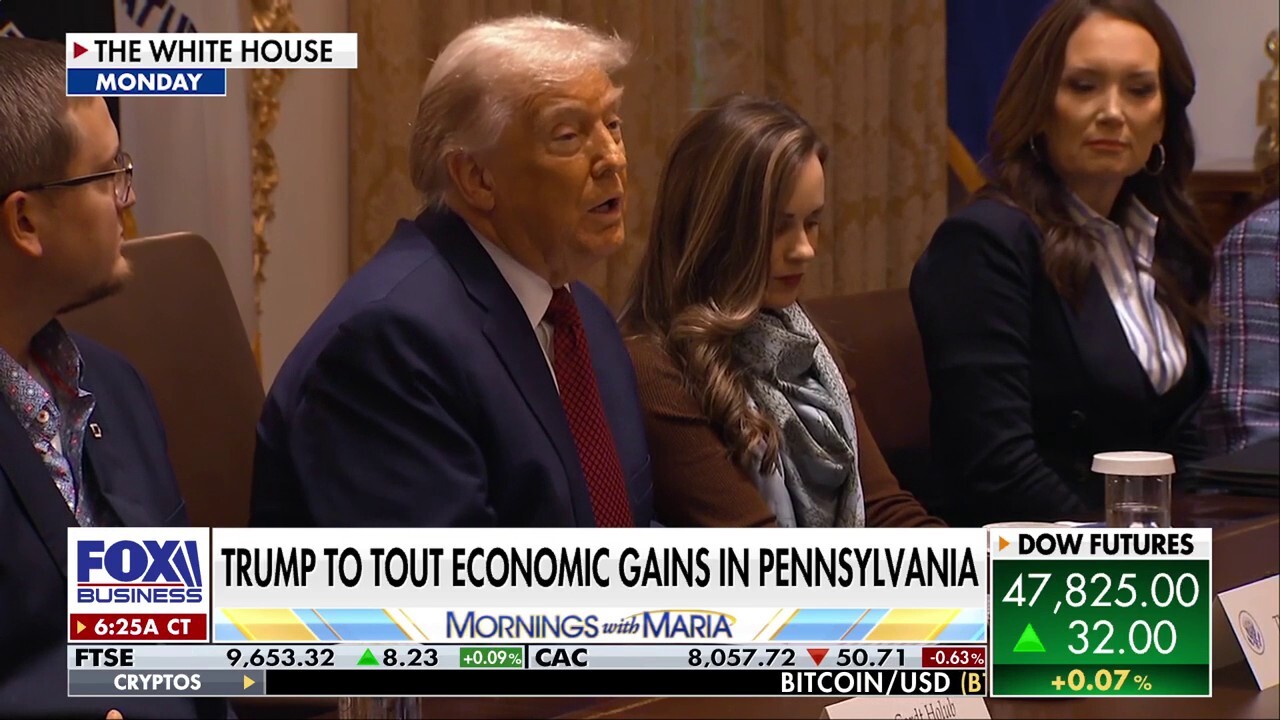
Trump hits Pennsylvania to spotlight economic gains as affordability remains an issue
Rep. Dan Meuser, R-Pa., discusses President Donald Trump's trip to Pennsylvania to tout his economic gains on 'Mornings with Maria.'
When it comes to what Americans can afford, no institution looms larger than the Federal Reserve.
The nation’s central bank doesn’t set the price of groceries or cars, but it does influence how expensive it is to borrow money.
Right now, borrowing is costly. High interest rates mean larger monthly payments on mortgages, car loans and credit cards, even if the price of a home or vehicle hasn’t changed.
WEAKENING INCOMES ADD NEW STRAIN TO HOUSEHOLDS ALREADY HIT BY HIGH PRICES
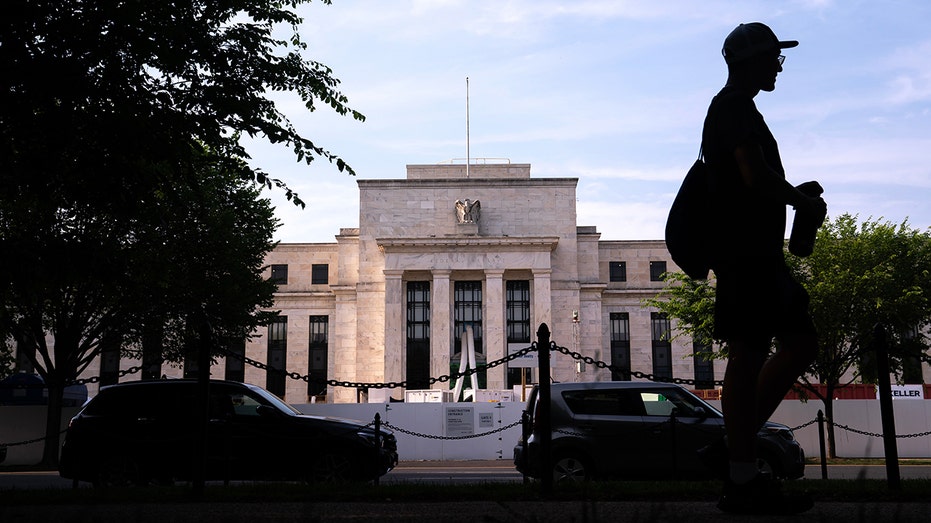
Every six weeks, the Federal Reserve hosts the Federal Open Market Committee meeting. (Nathan Howard/Bloomberg/Getty Images)
That’s why everyday life can still feel more expensive. Prices may not be climbing as quickly anymore, but the cost of paying for big purchases has.
It’s an issue front and center as the Fed concludes its two-day Federal Open Market Committee (FOMC) meeting. The closed-door session will determine the direction of the nation’s interest rates and whether borrowing costs stay where they are or begin to ease.
Fed policymakers are widely expected to approve another rate cut, which would be their third since September.
Federal Reserve Chairman Jerome Powell will share further details about the decision on Wednesday afternoon.
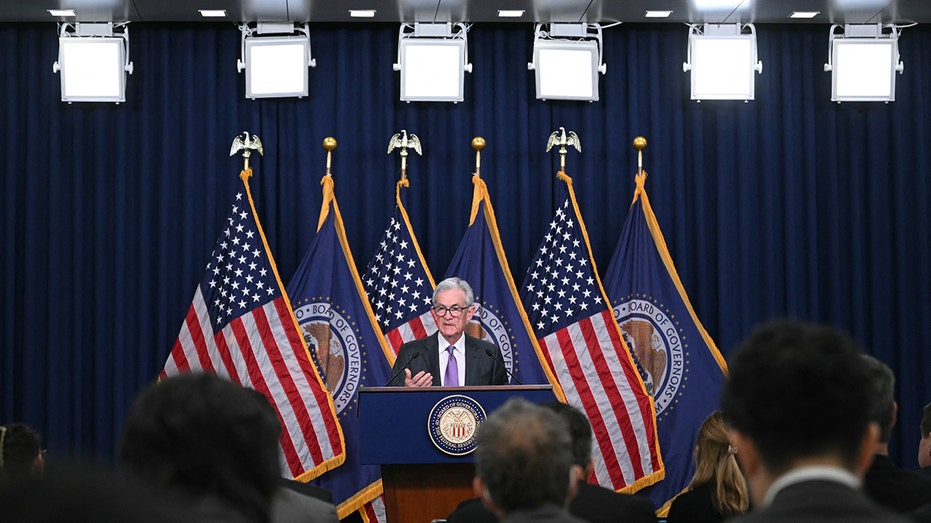
Federal Reserve Chair Jerome Powell holds a news conference at the end of the two-day Federal Open Market Committee meeting on March 20, 2024. (Mandel Ngan/ AFP via Getty Images)
For many Americans, the impact of that decision shows up most clearly in the housing and auto markets, two of the biggest expenses for most families.
The price of a home or a vehicle might not have changed much over the past year, but the cost of borrowing to buy one has. When interest rates are high, the monthly payment on that same house or car can jump by hundreds of dollars. You’re not paying more because the home or car has suddenly become more expensive. You’re paying more because the loan did.
High borrowing costs are acting like a second inflation, pushing mortgages, car loans and credit card bills to levels that stretch household budgets to the limit. Economists say affordability will not meaningfully improve until the Fed begins cutting rates and keeps cutting long enough to ease pressure on long-term borrowing.
TRUMP INSISTS PRICES ARE ‘COMING DOWN,’ BLAMES BIDEN — BUT VOTERS SAY THEY’RE STILL GETTING SQUEEZED
That backdrop has become a political liability for President Donald Trump, who campaigned on restoring affordability and easing household financial strain but is now confronting growing voter skepticism over whether those promises are materializing.
A Fox News national survey found that 76% of voters rate the economy negatively, compared with 67% in July and 70% at the close of former President Joe Biden’s tenure.
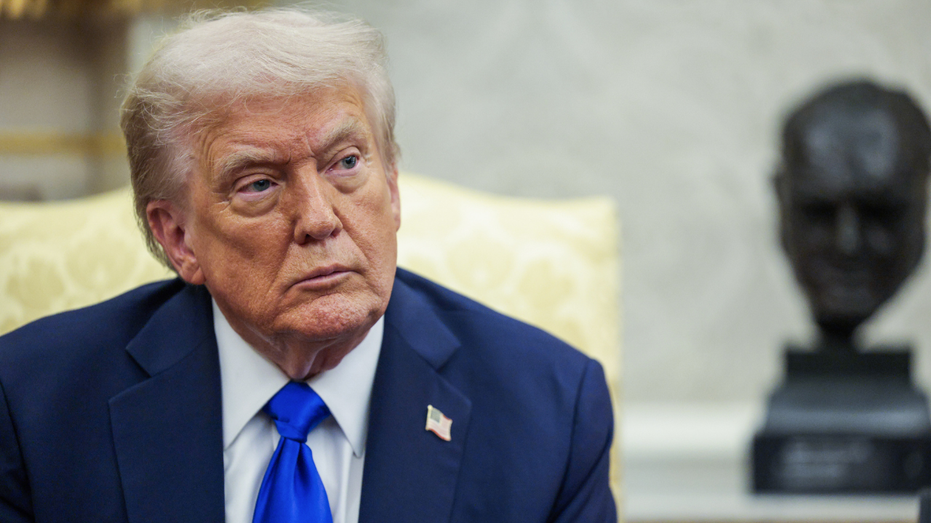
President Donald Trump kicked off a nationwide tour in December to discuss his economic agenda. (Shawn Thew/EPA/Bloomberg/Getty Images)
Voters largely blame Trump for the downturn, with about twice as many holding him responsible for the current economy as Biden and three times as many saying his policies have hurt them personally.
Trump, in turn, has blamed Powell for not cutting rates more aggressively while also touting a strong economy, something economists say doesn’t line up since rate cuts are generally used to help a slowing economy, not one that’s performing well.
TRUMP SAYS HE’S CHOSEN NEXT FED CHAIR AS AFFORDABILITY PRESSURES RISE
He has also characterized the affordability crisis as a Democrat-engineered hoax and said he inherited a mess from Biden’s economic agenda, which he argues is driving current financial strain.
Democrats leaned heavily on affordability themes in state and local elections this fall, and it paid off.
In places like Virginia, New York and New Jersey, where voters have been squeezed by high housing costs and utility bills, Democratic candidates seized on Trump’s early economic moves, including his trade policy, to argue that his policies were worsening the affordability crisis rather than easing it.

New York City Mayor-elect Zohran Mamdani placed affordability at the center of his campaign to lead the nation's largest city. (Adam Gray/Bloomberg/Getty Images)
They promised to rein in energy costs, expand affordable housing and protect middle-class wages, a message that resonated with voters and, analysts say, reflects a broader trend. In an economy where many still feel stretched thin, the party that speaks most directly to people’s pocketbooks often wins.
CLICK HERE TO GET FOX BUSINESS ON THE GO
For an institution many Americans barely follow yet feel every month, the Fed’s next move carries unusually high political and economic stakes.
The Fed’s decision on Wednesday about rate cuts will shape the economy’s trajectory and how affordable life feels for millions of Americans in the new year.