




SEC Chairman Paul Atkins says agency tightening scrutiny of Chinese firms listing in US markets
Atkins says firms operating in China but incorporated offshore still get foreign issuer exemptions
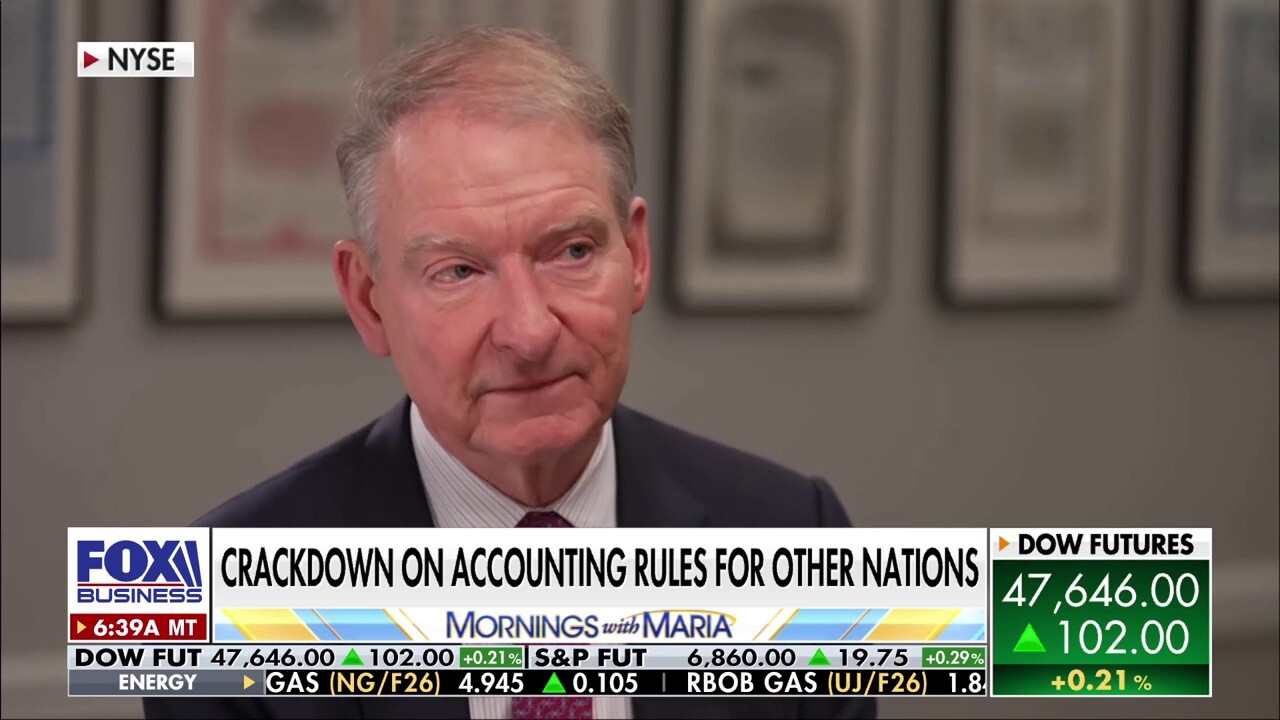
SEC's Paul Atkins warns Chinese firms over evading US disclosure rules
SEC Chairman Paul Atkins joins 'Mornings with Maria' to discuss the disclosure rules for Chinese companies trading on U.S. exchanges.
The chairman of the U.S. Securities and Exchange Commission, Paul Atkins, said the agency is tightening scrutiny of Chinese firms in U.S. markets, stressing the need to ensure "our rules… are complied with and that our laws are complied with," particularly as companies "operating in China" list shares in America.
"That's very important for us to focus on and not lose sight of," Atkins told FOX Business' Maria Bartiromo from the New York Stock Exchange in an interview that aired Wednesday. "We're looking at this whole area and we'll be on top of it."
For years, the SEC has allowed foreign companies to use their home-country governance and accounting standards when listing in the United States. These firms, known as foreign private issuers, don’t always have to meet U.S. standards on accounting, executive compensation or certain disclosures if they already comply with well-established regulatory standards overseas.
GOOGLE C.E.O. CALLS FOR NATIONAL A.I. REGULATION TO COMPETE WITH CHINA MORE EFFECTIVELY
But the rise of Chinese companies that operate in China, incorporate offshore, and then list primarily in the U.S. has pushed regulators to reassess whether those exemptions still make sense — especially when investors may be relying on oversight standards that differ significantly from U.S. requirements.

SEC Chairman Paul Atkins discusses market tensions with China during an interview on "Mornings with Maria." (Getty Images)
"There have been Chinese companies, for example, operating in China, but they're incorporated, say, in the Caribbean and their primary listing is here in the United States. But they're still viewed as a foreign private issuer and then given dispensation and not having to comply with U.S. rules," Atkins explained, "even though they are listed here primarily."
"Congress has passed a statute requiring the SEC to look at the companies and, in particular, Chinese companies. So I don't want to, you know, kind of step on anyone in particular," he continued. "I think we need to make sure that our rules are complied with, and that our laws are complied with, that we have access to auditing working papers … We are actively looking at all of that."
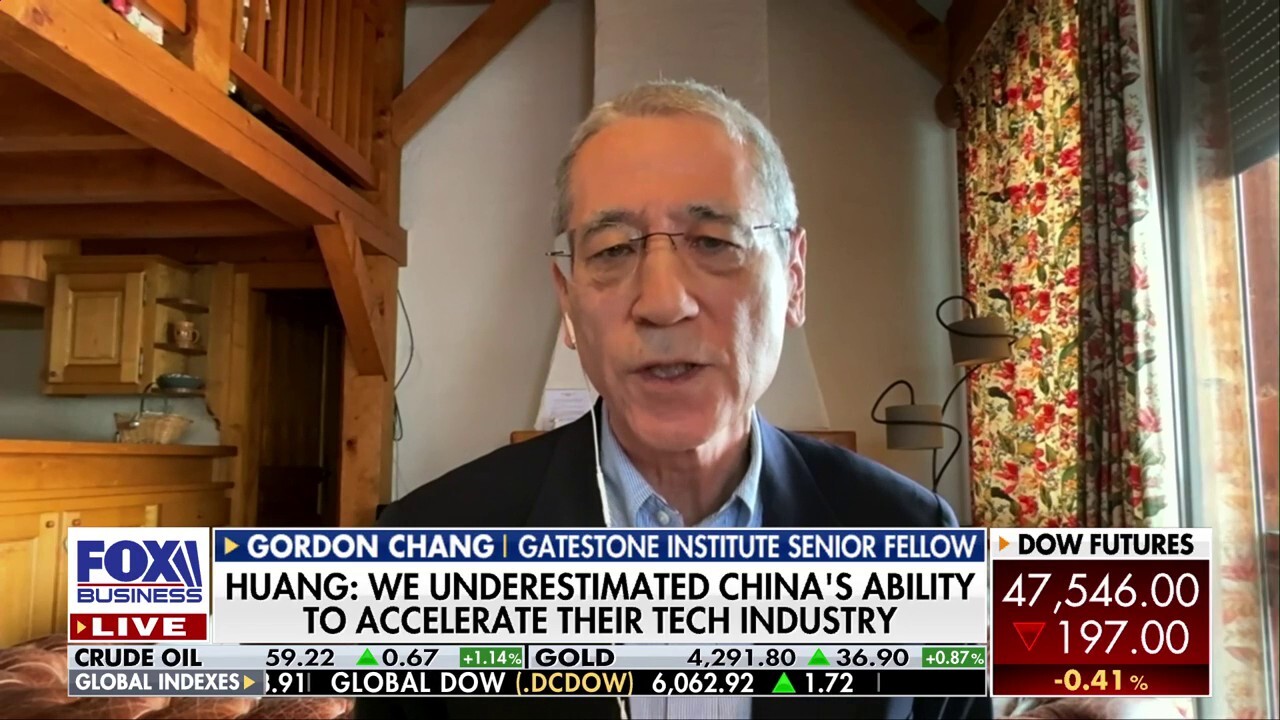
China is scrambling for allies amid rising Taiwan pressure
Gatestone Institute senior fellow Gordon Chang joins ‘Mornings with Maria’ to break down China’s escalating threats toward Japan, rising tensions over Taiwan and mounting backlash in Hong Kong as Beijing tightens control.
Atkins further noted that the SEC has identified nearly a dozen Chinese companies that showed "indications of manipulative behavior" and involvement with "ramp-and-dump" schemes, while also confirming he hasn’t spoken directly to President Donald Trump yet regarding using capital markets as a lever against China.
GET FOX BUSINESS ON THE GO BY CLICKING HERE
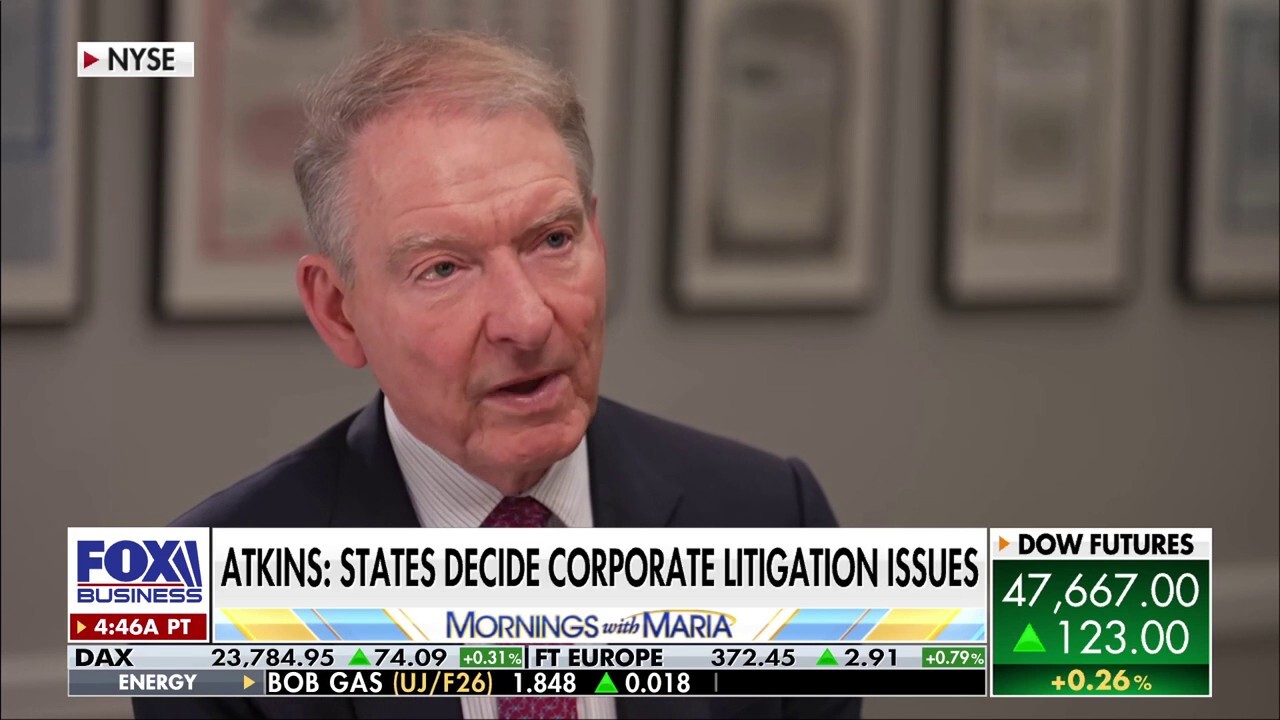
SEC chairman says burdensome SEC rulebook driving companies away from going public
SEC Chairman Paul Atkins joins ‘Mornings with Maria’ to break down the three major obstacles he says are stopping companies from going public.
"We see, without any real new public information or market reason for a penny stock—these are all penny stocks, basically—for it to start increasing," he said. "We have really good folks who are monitoring the markets and looking at the data that we collect … and then we're taking steps to shut down the trading before investors can get hurt."
When asked if American investors should avoid investing in these types of foreign companies, Atkins replied: "I'm talking about other sorts of foreign private issuers that, again, have a different type of setup where they are incorporated outside of China. Operations are still there or somewhere else in Asia, and then their primary listing[s] are here in the U.S."